Hi, my name is
Gabriel Werneck

I'm a game designer with 7+ years experience crafting systems and economies for games across all platforms, working directly with developers, artists and stakeholders in small indie teams.

I take pride in my ability to apply UX and product principles to game design, using player psychology to shape behavior and make every design decision count toward tangible goals.

In this portfolio, I carefully describe my roles in all my most relevant projects, as well as my approach to some tough design problems they presented.

For more information, get in touch!

PORTFOLIO HIGHLIGHTS

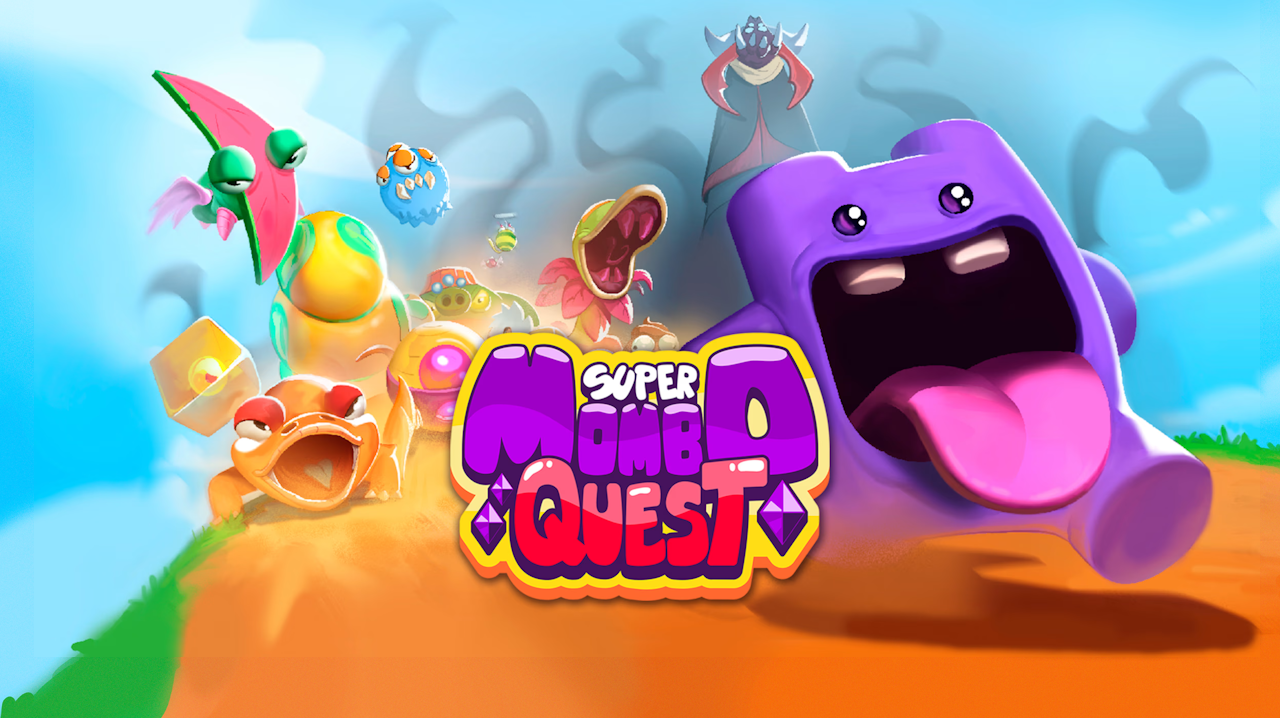
Given its small marketing budget, Super Mombo Quest had to stand out and bring in players through the way it looked and felt.

To achieve that, I designed its gameplay, systems, and presentation to instantly communicate its identity as a chaotic, rewarding precision platformer.

Designing eye-catching gameplay to organically attract 3M+ players

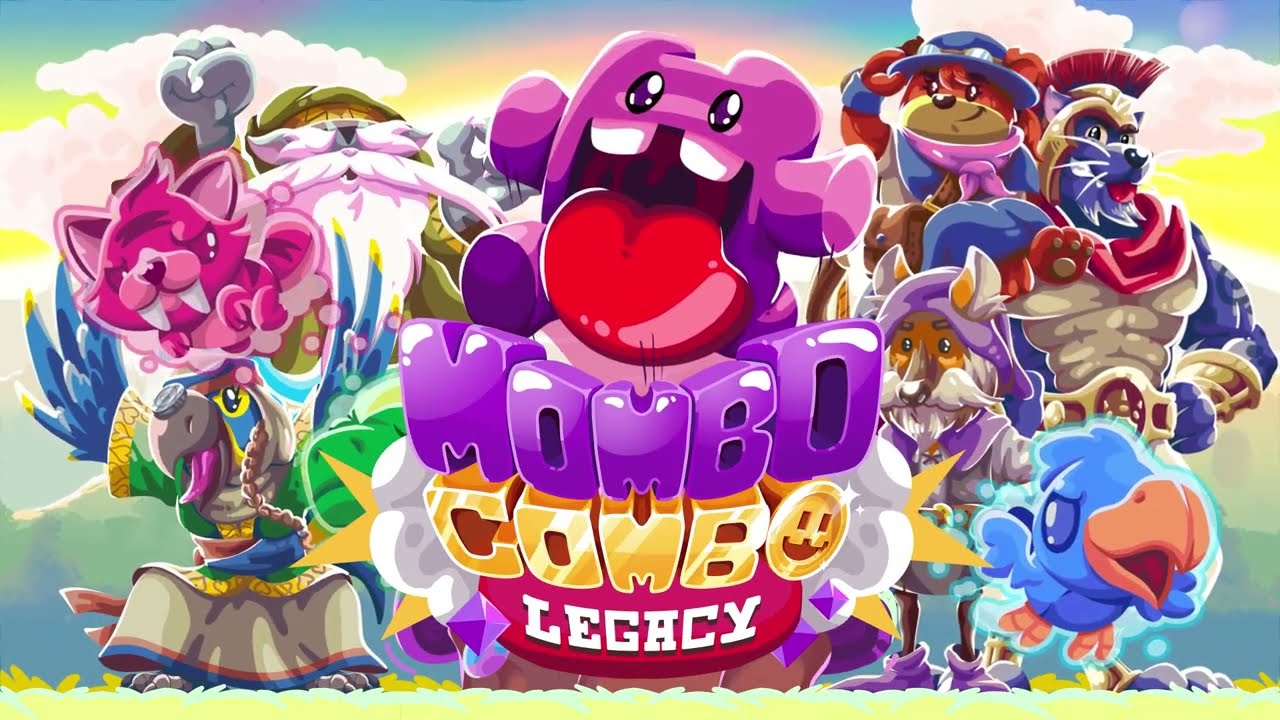
In Mombo Combo Legacy, my goal was to design a more robust metagame and economy around the original's core loop to support monetization.

On the first month after launch, D30 LTV was nearly ten times higher than the previous game's, reaching a competitive level within the genre.

Crafting a monetization-driven economy to increase LTV by 9.5x

I've coordinated several live and user-recorded playtesting sessions throughout SMQ's development, instructing players to think aloud as they played.

Validated over 500+ hours of playtesting. Across X reviews.

Creating systems to reduce friction and secure a 4.8★ rating

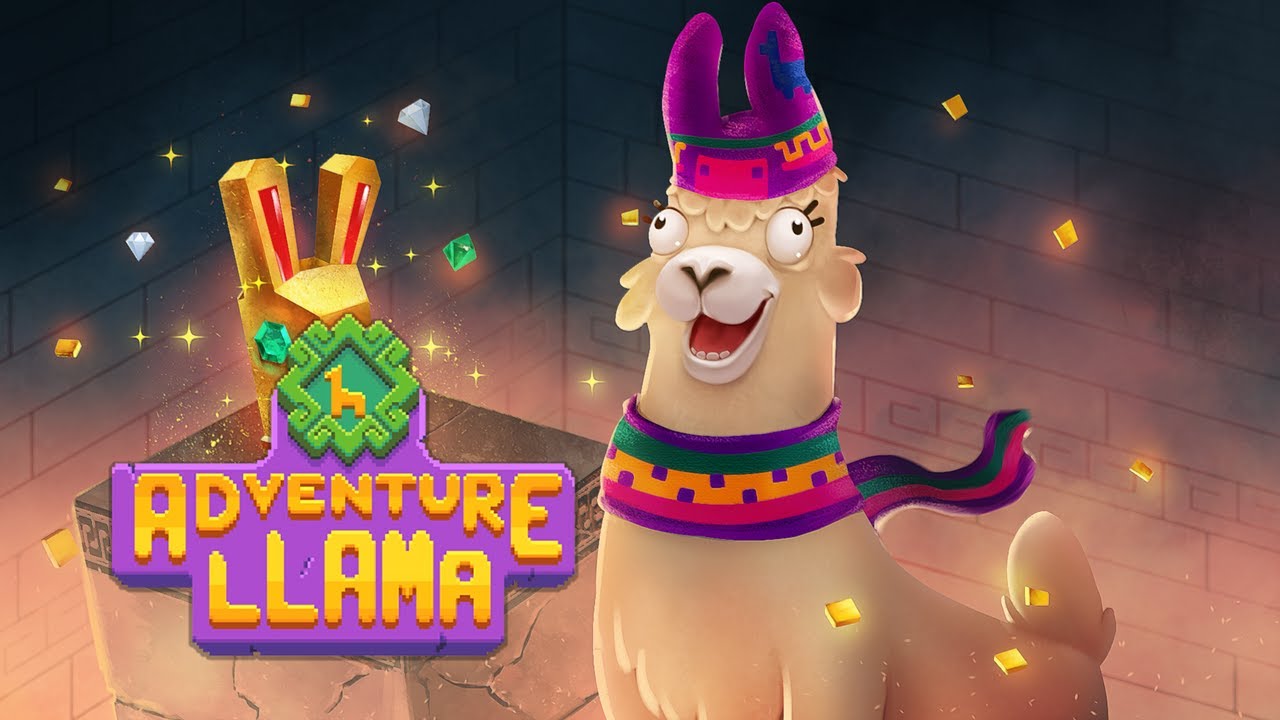
Working on Adventure Llama, I refined the game's 100 levels based on per-level drop-off rate, smoothing the difficulty curve and keeping players engaged.

I also experimented with various adjustments to the gameplay and systems, further increasing short- and long-term user retention.

Monitoring analytics weekly to reduce churn, tripling D7 retention

As the senior designer in MCL, I created the core documentation defining design standards and workflows across disciplines.

I also wrote hundreds of actionable briefs for artists and developers, and crafted spreadsheets for managing content and balancing the economy.

Writing documentation to drive production in a team of 10
1
2
3
4
5
Designing eye-catching gameplay to organically attract 3M+ players

Given its small marketing budget, Super Mombo Quest had to stand out and bring in players through the way it looked and felt.

To achieve that, I designed its gameplay, systems, and presentation to instantly communicate its identity as a chaotic, rewarding precision platformer.

Read moreRead more


The projects below are made in Unity at a company called Orube Game Studio, working remotely with a team of 3-10 people.


Super Mombo Quest

A flashy, chaotic precision platformer designed around its combo mechanic, made for PC and consoles and adapted for F2P Mobile.

For most of the project, I was the only game designer working on its systems, economy, gameplay, and narrative.

I was also responsible for product and UX design, owning the product vision, onboarding, user flows, playtesting, and more.


Mombo Combo Legacy

The sequel to Super Mombo Quest, this time made primarily targeting the F2P model on mobile.

I significantly expanded on the previous game's meta loop, creating a robust monetization-driven economy and increasing LTV by 9.5x compared to the previous title.

As the most senior designer in the team, I created and maintained all the documentation to help juniors work and keep vision aligned between a team of 10.


Adventure Llama

A hypercasual one-touch puzzle platformer, smaller in scope than the previous two titles.

Working directly with the studio's owner, I crafted nearly all of the game's levels, and refined its systems to increase engagement and drive monetization.

I closely monitored analytics data, weekly reviewing drop-off statistics per level and finetuning challenges to reduce churn and keep players in the game.


Other Projects and Skills

In November 2025, I’ve shipped my latest title, an action roguelite called Lia: Hacking Destiny, in which I designed primarily the game’s systems and narrative.

Besides the games I’ve made with Orube, I've also done three years’ worth of contract work for a company called Aiyra, designing and developing robust prototypes of advergames for third parties.

Before starting my career, I've spent four years making a complete game by myself, including programming, art, animation, sound, music, narrative, and QA -- giving me unique insight into the game development process from start to finish.


The projects below are made in Unity at a company called Orube Game Studio, working remotely with a team of 3-10 people.


Super Mombo Quest

Designing eye-catching gameplay
to organically attract 3M+ players

Given its minimal marketing budget, our overarching goal with Super Mombo Quest was to create a title with instant appeal that would attract fresh players browsing their platform's storefront.

To achieve that, I knew we had to design something that stood out within a popular genre. After researching successful indie platformers and iterating on different approaches, I was able to come up with a solid vision for the game (1).

We positioned it as an approachable precision platformer built around a combo mechanic. A fun and rewarding take on the genre, which usually tends toward more punishing, gritty titles.

As the solo designer on the team, not only did I come up with that high-level vision, I was also the one to execute it, crafting the entire game around that core identity.

After designing the core loop, I applied UX principles to make the combo mechanic prominent and engaging (2), adding a combo bar that depletes quickly and creates urgency, plus loads of satisfying visual feedback as your combo progresses.

Throughout development, I ran 500+ hours of playtests, both live and recorded (3), asking players to think aloud throughout their first contact with the game, and refining it based on their experience.

In the end, this approach succeeded: The game reached 3.2M players, with 4.8★ on the Play Store and 96% positive ratings on Steam -- and reviews across platforms described it exactly according to our vision.


While other titles in the genre (such as Celeste and Super Meat Boy) were known for their punishing difficulty, we wanted to offer a more rewarding, forgiving version of that experience.

To communicate its identity, we needed three things to be readable at a glance: The friendly arcade atmosphere, the acrobatic movement, and the combo mechanic.

We achieved the atmosphere through the game's visuals, plus a variety of flashy, colorful effects, and a lot of feedback for every action.

As for the acrobatics, I gave the player simple moves that can be chained intuitively, resulting in movement that looks complex and powerful even though it's easy to achieve.

Now, communicating the combo mechanic at a glance was a challenge, and it took a lot of iteration and playtesting to achieve.

Read next ->

Designing a clear identity to attract potential players at a glance

When we started playtesting SMQ, we hit a problem pretty early: over half of the players would ignore the combo and just move forward.

I realized we were fighting genre expectations. Usually the challenge in a platformer is simply getting from A to B, so players were doing that.

This was clearly a UX problem -- we needed to make the combo prominent and compelling, with indicators that'd be impossible to ignore.

My solution involved two main elements: First, a large combo bar that depletes quickly, staying in your peripheral vision and creating a sense of urgency.

Then, lots of satisfying visual feedback as you progress with the combo, culminating in a full-screen animation that briefly stops the game when it's achieved.

After these changes, every single new tester engaged with the combo: frantically moving toward the next target and often screaming when the bar got close to empty.

Read next ->

Conveying mechanics and shaping behavior through UX

Since SMQ had a pretty unique vision, there weren't good matches to use as a reference.

To compensate for that, I advocated for constant playtesting, watching testers' first contact with the game and asking them to think aloud.

This allowed me to experiment and iterate quickly. For instance, we were once struggling with the combo bar depletion rate.

The bar wasn't dropping fast enough to encourage aggression, but speeding it up made players fail too often and get frustrated.

After some iteration, I arrived on an elegant solution: setting the combo bar on a curve, making it seem to deplete more sharply as it's fuller.

With that simple change, testers felt pressured by the bar dropping and re-filling quickly as they had momentum, but when they missed a target and it got closer to empty, it slowed down.

Hundreds of UX-oriented iterations like this added up throughout development, resulting in a polished experience reflected in the game's 96% positive, 4.8★ star rating.

Running 500+ hours of playtesting to achieve a fine-tuned experience
1
2
3
Designing a clear identity to attract potential players at a glance

While other titles in the genre (such as Celeste and Super Meat Boy) were known for their punishing difficulty, we wanted to offer a more rewarding, forgiving version of that experience.

To communicate its identity, we needed three things to be readable at a glance: The friendly arcade atmosphere, the acrobatic movement, and the combo mechanic.

We achieved the atmosphere through the game's visuals, plus a variety of flashy, colorful effects, and a lot of feedback for every action.

As for the acrobatics, I gave the player simple moves that can be chained intuitively, resulting in movement that looks complex and powerful even though it's easy to achieve.

Now, communicating the combo mechanic at a glance was a challenge, and it took a lot of iteration and playtesting to achieve.

Read next ->


Super Mombo Quest

Creating systems to reduce
friction and secure a 4.8★ rating

The idea of an approachable, friendly precision platformer offered an interesting design challenge.

By definition, the genre has to require precision and skill from players, so its games are usually grueling, unforgiving experiences.

I addressed this conflict by dividing these two design goals between the gameplay and its supporting systems.

While movement is complex and levels are challenging, the systems compensate by offering ways to recover from mistakes, encouraging players to focus on moving fast rather than avoiding damage.

I achieved this primarily through the heart balloon mechanic, which gives mombo a second hitpoint that can be recovered quickly and repeatedly as long as you're playing aggressively.

Additionally, I designed the meta systems to make things easier for players that are struggling. I made it so the crystals you collected while trying and failing still counted, so less skilled players accumulated far more resources.

That way, the meta mechanics disproportionately favored those players, allowing them to quickly purchase most of the available upgrades, making their lives easier while more skilled players had to be strategic with their choices.


In earlier versions of the game, a lot of testers either played cautiously and lost the combo, or played aggressively and ended up dying.

Our goal was making an approachable precision platformer, so I had to make it more forgiving, while keeping the complex movement and level design.

I achieved this through the game's systems: First, you have the heart balloon, which protects mombo from dying once, and can be recovered by filling up the bar all the way.

That means you can get hit and recover it multiple times throughout the combo, as long as you keep your momentum.

Then you have the combo bar itself, which lowers quickly when you stand still but not when you get hit, and the respawn system, which lets you retry levels with little consequence.

These systems allowed even less skilled players to achieve the combo. Instead of worrying about not getting hit, they could focus on reaching the next target fast.

Resolving friction between precise movement and aggressive combat

While the core systems were enough for nearly all of our testers to succeed in the first couple regions, a good 1/3 of them started struggling eventually.

I started working on the meta systems to address this, letting them buy upgrades to help.

But then, when skilled players bought those, it ruined the game for them, making it trivial to play.

The solution was pretty counter-intuitive: I adjusted systems so less skilled players accumulated a lot more resources.

It was a simple tweak: getting rid of crystal penalties for dying, and making you still gain them while replaying levels.

This was an invisible, non-intrusive way to help players who had to retry levels over and over.

Now that they naturally ended up with a lot more crystals, I made equipment and upgrades more expensive to compensate.

Struggling players could then purchase everything way sooner, while skilled ones had to strategize and be selective throughout the game.

Tweaking systems to make the game easier only for struggling players
1
2
Resolving friction between precise movement and aggressive combat

In earlier versions of the game, a lot of testers either played cautiously and lost the combo, or played aggressively and ended up dying.

Our goal was making an approachable precision platformer, so I had to make it more forgiving, while keeping the complex movement and level design.

I achieved this through the game's systems: First, you have the heart balloon, which protects mombo from dying once, and can be recovered by filling up the bar all the way.

That means you can get hit and recover it multiple times throughout the combo, as long as you keep your momentum.

Then you have the combo bar itself, which lowers quickly when you stand still but not when you get hit, and the respawn system, which lets you retry levels with little consequence.

These systems allowed even less skilled players to achieve the combo. Instead of worrying about not getting hit, they could focus on reaching the next target fast.


Mombo Combo Legacy

Crafting a monetization-driven
economy to increase LTV by 9.5x

Mombo Combo Legacy's predecessor quickly reached over a million players on mobile. However, revenue there was underwhelming, as it had poor user retention and relied on interstitials for monetization.

Seeing the potential, our team decided to develop a sequel - Mombo Combo Legacy - now planned as a F2P experience first and foremost.

My goal was to redesign a large portion of the original game to make it lucrative on mobile. I knew the sequel would need far more longevity, and enough new systems to drive monetization.

I started by creating a robust metagame around the old core loop, with a soft- and hard-currency economy. It featured powerups, cosmetics, a lives systems, and time-gated pet-hatching mechanics.

Then, on top of all that structure, I designed offers connecting these new resources to IAPs and rewarded ads, including a battle pass, special and limited-time offers, skin packages, a gem vault and more.

Once all the monetization systems were complete, I designed a spreadsheet with all the sinks and faucets in the game, and refined them to get good value out of value spenders, high spenders and non-spenders.

Since the game wasn't live yet, I fine-tuned economy balance through internal playtesting, recording gameplay simulating behavior of players in these three segments, then adjusting pacing and friction accordingly.

Althought I didn't have a chance to refine these systems using analytics, these changes were able to double D7 retention, quadruple D30, and increase LTV by 950%.


Problem: needed monetization, but metagame was too simple to support it.

Solution: design mechanics such as for retention and to plug monetization into.

lives systems, powerups, cosmetics, time-gated pet-hatching mechanics, achievements, more

These systems introduced mid- and long-term goals that encouraged daily return, and

with more natural stopping points that helped shift players to shorter, repeat sessions spread across days, instead of the original game's long multi-hour sessions.

Result: beta testing forms orube fans, several weeks and engaged with all the systems.

Crafting a more robust metagame to support monetization

Problem: Players stayed for long enough and interacted with systems, but we didn't have anything to sell

Solution: Think about player psychology and the experience we wanted different kinds of players to have. Conceptual segmentation

Finally, I defined the experience for three types of players: non-paying, value spenders, and high spenders. I balanced all the numbers accordingly, and then adjusted them based on internal playtesting.

Result: Amazing offers that would appeal to value spenders, loads of offers for high spenders. Now had to validate

VIP package, battle pass, skins, currencies.

Designing microtransactions and offers that convert

Problem: Couldn't validate or balance economy/monetization with closed beta testers.

Solution: Created tooling for managing data, did extensive internal playtesting simulating kinds of players

I then organized all these numbers into a spreadsheet overview of all the resource sinks and faucets, which exported a CSV dictionary to go directly into Unity.

Result: Though we never tested with live players, D30 LTV at launch had been increased by 950%, bringing it into a very competitive level for the genre.

Fine-tuning the economy through player segmentation
1
2
3
Crafting a more robust metagame to support monetization

Problem: needed monetization, but metagame was too simple to support it.

Solution: design mechanics such as for retention and to plug monetization into.

lives systems, powerups, cosmetics, time-gated pet-hatching mechanics, achievements, more

These systems introduced mid- and long-term goals that encouraged daily return, and

with more natural stopping points that helped shift players to shorter, repeat sessions spread across days, instead of the original game's long multi-hour sessions.

Result: beta testing forms orube fans, several weeks and engaged with all the systems.


Mombo Combo Legacy

Writing documentation to
drive production in a team of 10

Made core systems more intricate, since game is all about expressive movement, rewarding etc.

Combo bar (video 1) interacts with systems (video2), movement system, death and checkpoints. Also a simple economy (video 3). Gain crystals by playing, spend them on items, skill tree, map upgrade.

Fast travel. Items help adjust difficulty, either lowering risk or increasing reward. Checkpoint punish just enough that they dont brute force moving through levels to progress.

Made core systems more intricate, since game is all about expressive movement, rewarding etc.

Combo bar (video 1) interacts with systems (video2), movement system, death and checkpoints. Also a simple economy (video 3). Gain crystals by playing, spend them on items, skill tree, map upgrade.


Problem: Trouble managing juniors, narrative would require a lot of work to manage across disciplines.

Solution: Spreadsheet

Result: Required very little managing, still used to this day.

Building a narrative spreadsheet to streamline work across disciplines

Problem: Designers were having trouble making levels

Solution: Specific enemies with instructions on how to use them, plus drafts of room challenges and level design standards

Results: 4 months first region, then 1.5 next ones.

Designing the larger structure so juniors can focus on simpler tasks
1
2
Building a narrative spreadsheet to streamline work across disciplines

Problem: Trouble managing juniors, narrative would require a lot of work to manage across disciplines.

Solution: Spreadsheet

Result: Required very little managing, still used to this day.


Adventure Llama

Monitoring analytics weekly to
reduce churn, tripling D7 retention

Made core systems more intricate, since game is all about expressive movement, rewarding etc.

Combo bar (video 1) interacts with systems (video2), movement system, death and checkpoints. Also a simple economy (video 3). Gain crystals by playing, spend them on items, skill tree, map upgrade.

Fast travel. Items help adjust difficulty, either lowering risk or increasing reward. Checkpoint punish just enough that they dont brute force moving through levels to progress.

Made core systems more intricate, since game is all about expressive movement, rewarding etc.

Combo bar (video 1) interacts with systems (video2), movement system, death and checkpoints. Also a simple economy (video 3). Gain crystals by playing, spend them on items, skill tree, map upgrade.


The Combo Mechanic is the core of the game, interacting a lot with other important systems.

Combos recover your health, increase collected crystals, and count towards mini-quests.

Combos recover your health, increase collected crystals, and count towards mini-quests.

Adjusting levels to smoothen the difficulty curve and reduce churn

Problem: Burning through content quickly.

Crafting systems to increase engagement and conversion
1
2
Adjusting levels to smoothen the difficulty curve and reduce churn

The Combo Mechanic is the core of the game, interacting a lot with other important systems.

Combos recover your health, increase collected crystals, and count towards mini-quests.

Combos recover your health, increase collected crystals, and count towards mini-quests.

The projects below are made in Unity at a company called Orube Game Studio, working remotely with a team of 3-10 people.


Designing a systems-heavy platformer in a 5-person team, owning both game & product design

I started working on SMQ back in 2018, alongside another game designer, an artist, a generalist intern, and the studio’s owner, who did the programming.

The game was made in Unity, and targeted all major platforms, including PC, consoles, and mobile. It was completed in a little over three years of development.

Initially, I co-owned game design alongside the other designer, while owning only the product design myself. After the first year, the other designer left, and I owned both product and game design for two more years until we launched.

My game design work here features a lot of systems design: I crafted the core combo mechanic, lives/checkpoint system, and lots of metagame mechanics, including upgrades, equipment and a simple economy.

I also made about two-thirds of the game's 200 levels, designed and wrote the narrative, and did plenty of gameplay design, including player's complex moveset as well as enemy and boss behaviors.

As for UX/product design, I owned areas like onboarding, user flows, interfaces, game feel and UX writing, but most importantly, made sure we had a clear product identity that conveyed itself at a glance.


Designing a F2P economy to drive monetization, while creating and maintaining documentation to guide a team of 10

Although Super Mombo Quest had been designed targeting PC and consoles first, it unexpectedly reached over a million downloads on mobile in a few months.

Since the mobile version was a secondary thought, the game's potential for monetization was limited, so it didn't make the most out of its success on the platform. This time, the team decided to build a sequel around a free-to-play model.

As the senior designer of the team, I was responsible for the F2P product goals, crafting a robust metagame with multiple monetization systems to translate the game's appeal on mobile into revenue.

At the time, the company had just scaled to double its previous size, with five new junior employees divided among disciplines, so I was also tasked with writing documentation to align design and production across a growing team.

The project was developed in Unity and completed in under 2.5 years, thought I was on a career break during the first four months of production.


Redesigning an F2P game along with its levels and storefront using live analytics, drastically improving KPIs

Back in 2018, I started working on Orube Game Studio’s first big commercial title, alongside another game designer, an artist, a generalist intern, and the studio’s owner, who did the programming.

Since we didn’t have an established audience, our overarching goal with Super Mombo Quest was to create a very appealing title that would attract players directly from the Steam and Console stores.

In order to achieve that, I knew we had to design something with a strong identity and a great market fit. After a lot of research, discussion and iterations, I was able to come up with a solid identity for the game, and align the team toward it.

Our vision was the following: a precision platformer with chaotic, acrobatic movement that draws attention at a glance; clearly positioned as a fun and rewarding take on the precision platforming genre, which tends toward more punishing, gritty titles.